For decades, the monitor has been one of the most passive objects on your desk. It sits there, it receives a signal, it displays an image. The relationship between your display and your computer has always been essentially one-directional. That is quietly changing, and the shift deserves more attention than it is getting.
The rise of smart monitors — displays with built-in processors, operating systems, app stores, and wireless connectivity — is beginning to blur the line between a screen and a standalone computing device. Samsung, LG, and a handful of other manufacturers have been shipping monitors capable of running streaming apps, web browsers, and productivity software without any PC attached at all. For years this felt like a novelty. Increasingly, it is starting to feel inevitable.
The argument in favour of the smart monitor is straightforward: most of what most people do on a computer does not actually require a computer. Browsing, video calls, document editing, media consumption — these are all tasks that can be handled comfortably by a mid-range mobile chip running a lightweight operating system. Attach a keyboard and mouse, connect to Wi-Fi, and a well-designed smart monitor can cover a surprising share of a typical workday without a tower, a laptop, or even a docking station in sight.
Sceptics will point out, fairly, that smart monitor software has historically been clunky, that app ecosystems on these devices are thin, and that anyone doing real work — video editing, 3D rendering, gaming at high frame rates — still needs dedicated hardware. Those criticisms are valid. But they are also arguments that were once made about smartphones being unable to replace point-and-shoot cameras, or tablets being unable to replace laptops. The pattern of 'good enough' technology gradually cannibalising purpose-built hardware is one of the most reliable trends in consumer electronics.
What makes this moment feel different is the convergence of several forces at once. Wireless display standards are maturing, meaning a smart monitor can also function as a wireless secondary screen for a more powerful machine when needed. Cloud computing continues to offload processing away from the device in front of you. And chip efficiency has improved to the point where a passively cooled processor embedded in a monitor bezel can handle genuinely useful workloads without thermal compromise.
For ShazTech followers who spend time thinking about how workspaces are evolving, the smart monitor trend is worth tracking closely. The cable-free desk is not a fantasy anymore. It is an engineering question, and engineers are getting very close to solving it.
The display on your wall might not need your PC for much longer. The smarter question is whether your PC will notice.
Technology News
Why Your Next Monitor Might Not Have a Single Cable Running to Your PC
October 12, 2026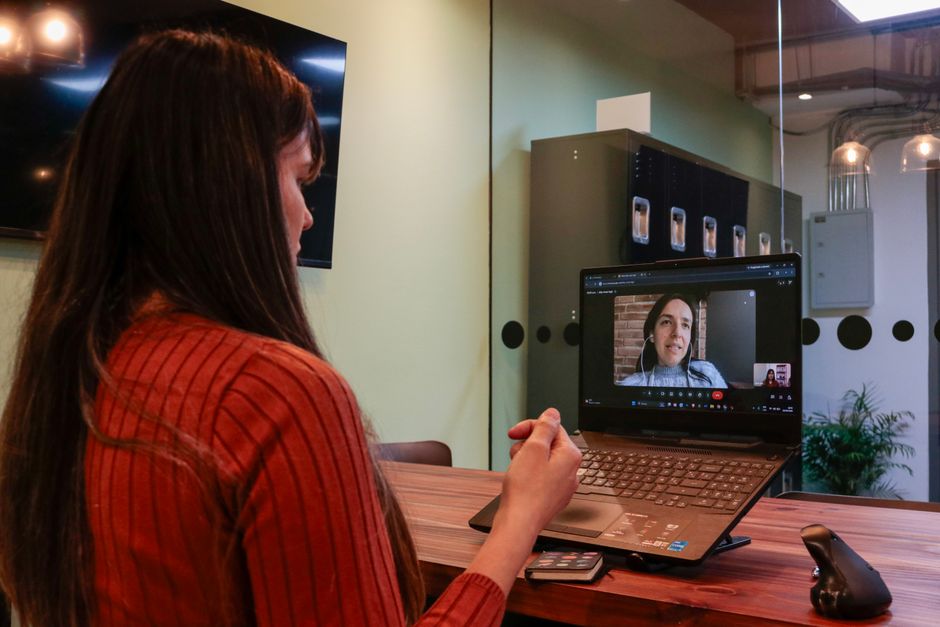
Related in Technology News
Oct 16, 2026
OLED vs. Mini-LED vs. IPS LCD: Which Display Technology Actually Deserves Your Money?
Walk into any electronics retailer — physical or digital — and you will find monitor and TV listings…
Read More →
Oct 10, 2026
What Is a DNS Server — And Why the One You're Using Might Be Slowing You Down?
Every time you type a web address into your browser, something invisible happens before the page eve…
Read More →
Oct 9, 2026
How to Choose a Smart Home Hub: A Practical Checklist Before You Commit
Smart home devices are everywhere — lights, locks, thermostats, cameras, speakers. But the moment yo…
Read More →